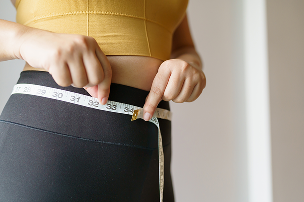
Long-term medical weight loss
Nutritional Advice
Weight loss medication can be a helpful tool to support your weight loss journey, but it works best when combined with healthy lifestyle changes. Alongside taking your medication as prescribed, it is important to focus on your nutrition, hydration and daily activity levels to help achieve long term results.
Making positive changes to the foods you eat, your water intake and your physical activity, can all play an important role in supporting weight loss, improving overall wellbeing, and helping you maintain healthy habits over time. A balanced approach can also help your body adjust to treatment and support you throughout your weight management journey.
Simple ways to maintain a healthy lifestyle
- Eating a balanced meal every day
- Keeping active
- Staying well hydrated
- Getting enough sleep
- Limit screen time
- Finding ways to manage stress and keeping calm
As your body adjusts to weight loss medication, you may find that you feel full more quickly and naturally eat smaller portions. Although eating less can support weight loss, it is still important to eat regular, balanced meals to ensure your body gets the nutrients it needs to stay healthy and energised.
One of the most important nutrients to include in your diet is protein. Eating fewer meals can sometimes lead to a loss of muscle mass, so including a source of protein at each meal can help maintain muscle, keep you feeling fuller for longer and support your weight loss goals.
Building a balanced meal – using the Eatwell Plate guide
- Lean protein, such as chicken, fish, eggs, beans, tofu or low fat dairy
- Wholegrain carbohydrates, such as wholemeal bread, brown rice or wholewheat pasta
- Plenty of fruit and vegetables which provide vitamins, minerals and fibre [1]
Choosing foods that are high in fibre can also help support gut health and reduce the risk of constipation, which can sometimes occur while taking weight loss medications. Good sources of fibre include wholegrains, fruit, vegetables, beans, lentils, nuts and seeds.
As you increase your fibre intake, it is important to drink plenty of fluids. Aim for around 2–3 litres of water each day as staying well hydrated supports digestion, energy levels and overall wellbeing.
Remember to include calcium rich foods such as milk, yoghurt and cheese to help maintain healthy bones. If you are following a reduced calorie diet, choosing low fat dairy options can be a good way to reduce your calorie intake while still getting the calcium your body needs.
Choosing the right types of fat is also important for your overall health. Foods high in saturated fat can increase cholesterol levels and may raise your risk of heart disease. Instead, try to include healthy fats as part of a balanced diet.
Good sources of healthy fats include:
- Avocado
- Olive oil and rapeseed oil
- Nuts (almonds, walnuts, cashews, hazelnut)
- Seeds (chia, flax, sunflower, pumpkin)
- Oily fish (salmon, mackerel, sardines, trout)
- Nut butters (peanut, almond butter)
- Spreads made with healthy oils
Understanding and managing food noise
Food noise is a term used to describe frequent or persistent thoughts about food. While it’s completely normal to think about food throughout the day, food noise can feel more intense, making it difficult to stop thinking about what to eat next, cravings, or the urge to snack, even when you are not physically hungry.
Weight loss medications can help reduce food noise by regulating appetite and increasing feelings of fullness. Many people find that their thoughts about food become quieter, making it easier to recognise true hunger and make more mindful food choices. However, medication works best alongside healthy lifestyle habits.
Alongside your medication, there are several simple strategies that may help you manage food noise:
- Focus your attention on a different task
- Eating slowly and taking your time with your meals
- Eating and drinking regularly, avoid skipping meals
Remember, food noise may improve while taking weight loss medication, however these may return when medication is stopped. Healthy eating habits and lifestyle changes remain essential for long term weight management.
Managing gastrointestinal side effects
Gastrointestinal (GI) side effects are common when starting weight loss medications or increasing your dose. The most commonly reported side effects include nausea, constipation, diarrhoea, vomiting, bloating, indigestion and sulphur burps. These symptoms are usually mild to moderate and often improve as your body gets used to the medication.
Some foods and drinks can upset your gut:
- Spicy and fatty foods can worsen digestive side effects.
Keeping a food diary can help you identify any foods or drinks that trigger your symptoms, allowing you to make changes to your diet and better manage these side effects.
- Limit or avoid alcohol, sugary foods and fizzy drinks
- Try to have 3 small meals a day. If you find your meal is too big, eat the protein first.
- Eat and chew slowly
- Eat more fibre
- Drink lots of fluid. Water, caffeine and low sugar drinks can help these side effects.
Keeping active
Regular physical activity is an important part of managing your weight and maintaining your weight loss over time. Staying active not only burns energy but also helps build healthy habits that are easier to maintain in the long term.
Spending long periods sitting or lying down can leave your joints feeling stiff and your muscles and bones feeling tight or uncomfortable. Try to reduce the amount of time you spend being inactive by getting up regularly and breaking up long periods of sitting with gentle movement.
Keeping an activity diary or using a chart to track your progress can help you stay motivated and achieve your daily activity goals.
The NHS recommends aiming for:
- At least 150 minutes of moderate-intensity activity each week, or
- 75 minutes of vigorous-intensity activity each week.
It is also recommended to spread your exercise across 4 to 5 days each week. As your activity levels increase, everyday movement and strengthening exercises often become easier. [1]
Strengthening exercises help maintain and improve muscle strength, which is essential for many everyday body functions, including movement, posture, breathing, digestion, circulation, and supporting your vision and hearing.
During weight loss, it is common to lose some muscle mass alongside body fat. Including regular strength activities in your routine can help reduce muscle loss and support your overall health and mobility.
You do not need a gym to strengthen your muscles. Try incorporating some of these simple activities into your routine:
- Use resistance bands to perform pushing and pulling exercises with your arms and legs
- Perform simple seated strengthening exercises
- Squeeze a soft ball to improve hand and forearm strength
- Lift your legs while seated or lying down
- Push your feet firmly into the floor
- Perform wall pushes by pushing your body away from a wall with your hands
- Use light dumbbells or household items such as tins, books or water bottles as weights for resistance exercises.
Vitamins and Mineral Supplement support
Eating less and changing your eating habits during your weight loss journey can make it more difficult to meet your body’s daily vitamin and mineral requirements. As a result, some people may develop nutritional deficiencies, which can lead to symptoms such as tiredness, dizziness, hair loss, low mood and reduced energy levels.
People following a weight loss programme, particularly those significantly reducing their food intake, may benefit from taking a vitamin and mineral supplement to help meet their nutritional needs.
There are many multivitamin and mineral supplements available to buy over the counter. However, most standard multivitamins do not contain enough zinc and copper to meet the recommendations outlined by the British Obesity and Metabolic Surgery Society (BOMSS).
To meet BOMSS guidance, a multivitamin and mineral supplement should provide at least:
- 400–800mcg of folic acid
- 15mg of zinc
- 2mg of copper
Many over the counter multivitamin supplements do not contain these amounts, meaning more than one tablet or capsule may be required to meet the recommended levels.
Forceval is currently the only prescription multivitamin and mineral supplement that meets these BOMSS recommendations in a single capsule. Your healthcare professional can advise whether this is appropriate for you. [2]
Long Term Weight Management and Healthy Lifestyle Changes
Weight loss medication can be an effective tool to support your weight loss journey, but long term success depends on developing healthy lifestyle habits that you can maintain over time.
When you stop taking weight loss medication, it is common to regain some weight. Building sustainable habits around eating, physical activity and overall wellbeing can help you maintain your progress and support your long term health.
Healthy lifestyle habits include:
- Eating a balanced, nutritious diet and being mindful of portion sizes
- Establishing regular eating patterns and avoiding skipping meals where possible
- Staying physically active with activities you enjoy
- Getting enough sleep, as poor sleep can affect appetite and energy levels
- Managing stress, as stress can sometimes lead to emotional eating or reduced motivation
- Seeking support from family, friends, or local groups to help keep you motivated
Many local gyms, leisure centres and community organisations offer exercise classes, walking groups and social activities that can help you stay active while meeting new people.
Setting Achievable Goals
Setting clear, realistic goals can make healthy lifestyle changes feel more manageable and help you stay motivated. Consider goals that relate to your daily habits, such as:
- Walking for 30 minutes a day
- Including vegetables with each main meal
- Drinking more water throughout the day
- Completing two strength exercises each week.
Bigger goals can be broken down into smaller, achievable steps. Celebrating these smaller successes can help build confidence and maintain motivation.
Planning for Challenges
Everyone experiences setbacks and they are a normal part of making long term lifestyle changes. Instead of viewing them as hurdles, use them as opportunities to learn and plan ahead.
Keeping a diary or journal can help you identify what went well, what was challenging and how you overcame obstacles. This can make it easier to manage similar situations in the future.
- Keep a list of indoor activities you enjoy for days when the weather prevents you from going outside
- Plan healthy meals and snacks in advance for busy days
- If eating out, look at menus beforehand to help you make choices that support your goals
- If you miss a day of exercise or have an unplanned treat, focus on returning to your usual routine at the next opportunity rather than giving up
Maintaining your weight loss progress is about consistency. Small, sustainable changes made over time are more likely to become lifelong habits and can have a meaningful impact on your health and wellbeing.
Reference
[1] The Eatwell Guide (Accessed: 30 June 2026) https://www.nhs.uk/live-well/eat-well/food-guidelines-and-food-labels/the-eatwell-guide/
[2] British Obesity and Metabolic Surgery Society Guidelines (Accessed: 1 July 2026) https://onlinelibrary.wiley.com/doi/full/10.1111/obr.13087
Written by: Uzma Dala MPharm (2238839)
Approved by: Shameela Adam MPharm (2070113)