
Long-term medical weight loss
Infant and Baby Care
Babies’ bodies, particularly their immune systems, continue to develop for several months after birth, which means they are particularly prone to minor ailments. Illness can be distressing for children and their parents. One thing parents can do to protect their baby against a number of diseases is to get them vaccinated. While it isn’t nice seeing a child have an injection, the discomfort they experience is certainly outweighed by the fact that their body will be much better equipped to fight against certain infectious illnesses. Babies are more prone to illnesses such as Fever, Colds, Eczema, Constipation, Teething, Colic, Cradle cap, threadworm, and many more. You can get the treatments for the above issues related to your baby by using over-the-counter medicine and treatment after consulting a responsible pharmacist or your GP.

Fever and pain
A normal temperature is around 36.4°C, but slightly differs from child to child. If a child has a fever and appears distressed, they can be given an appropriate child dose of paracetamol and ibuprofen (example: Calpol/ Nurofen), which is suitable for babies from two months old and ibuprofen from three months old. If a baby is teething, then you can surely see the symptoms of dribbling and red or flushed cheeks. You can surely give your baby paracetamol suspension, which will help to ease the pain and discomfort. Moreover, they can try to apply a local anaesthetic such as lidocaine that helps to numb the painful gums (example: Anbesol Teething Gel). If a child is suffering from colic, it is mostly due to trapped wind swallowed during feeding or crying. You can try giving your child Infacol or Colief Infant drops.
Nappy rash and eczema
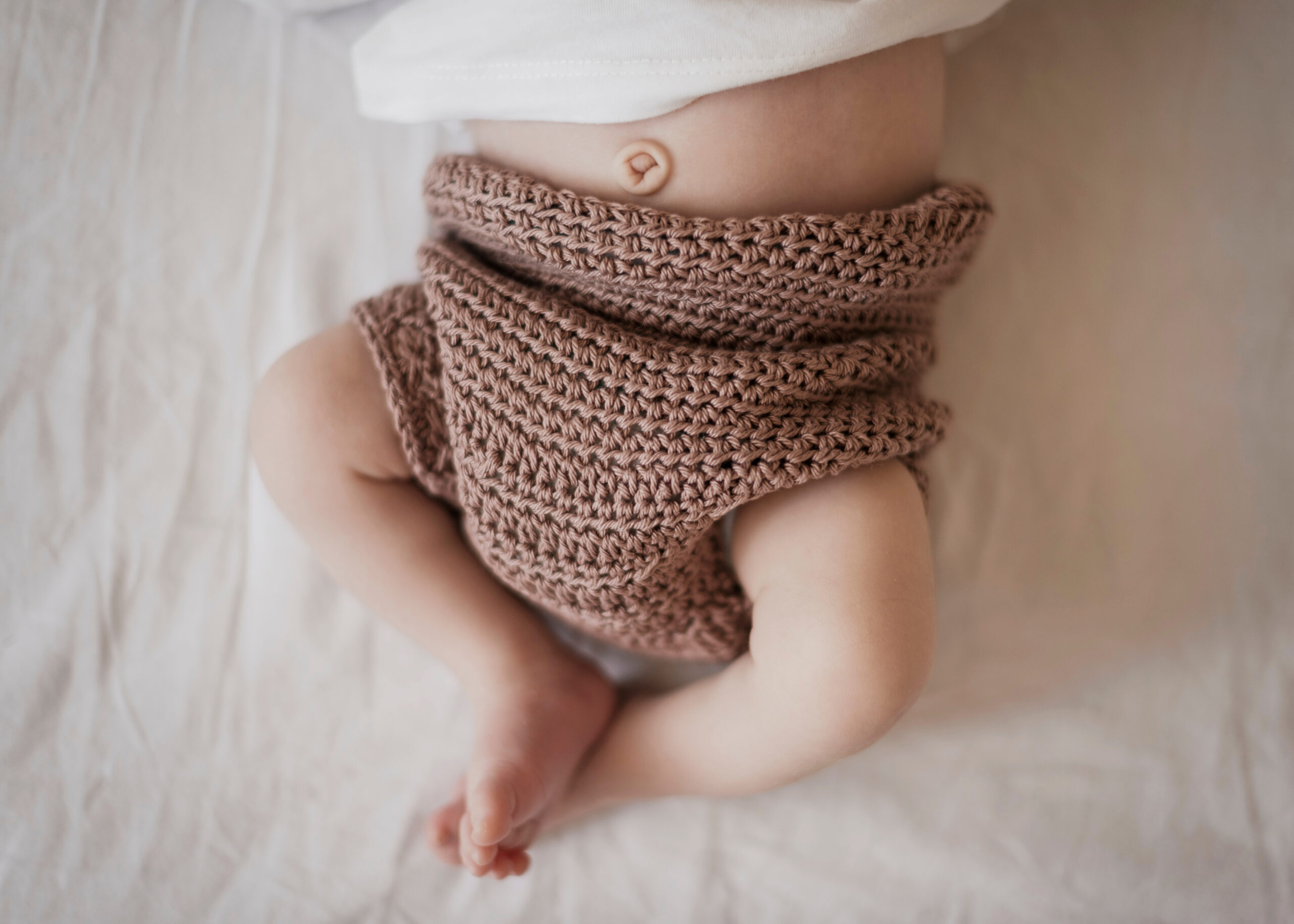
Most babies will get nappy rash at some point during their first 18 months. It occurs when the skin covered by the nappy comes into contact with urine and stools, which irritate the skin. For treating this, one needs to clean the baby’s bottom with Water wipes, and a thin layer of barrier cream should be applied (example: Drapolene cream, Sudocream). Children are more prone to threadworms and atopic eczema. Mebendazole (Ovex) is the main drug for the treatment of Threadworms and should be taken as soon as possible. It is advisable that all the family members should take the dose and repeat the dose after 7 days. Atopic eczema usually begins in the first year of life, and up to 50% of children with atopic eczema will also have hayfever or asthma. Atopic eczema has these symptoms: Dry, red, itchy patches of skin on the face, scalp, forearms, behind the ears and on the front of the legs. In older children, it can be localised to the creases of joints & in more severe cases, the rashes can become dry, scaly and cracked, ooze yellowish fluid and crust over. The available treatment options are Oilatum Junior Cream and E45 cream. If the eczema does not improve with treatment, is painful or appears infected, it should be referred to the pharmacist.