Long-term medical weight loss
Female Health
Comprehensive Support for Your Female Health Needs
Access expert guidance and clinically proven treatments for contraception, period delay, and pain management through a simple, discreet online consultation.

-
Complete a simple online consultation for prescription-strength care
-
Access the most effective contraception, including the pill, patch, and ring
-
Delay your period for up to 17 days for holidays or special events
-
Effective relief for severe period pain with professional medical oversight
-
Expert advice from GPhC-registered pharmacists available 7 days a week until 10 pm
-
Fast, discreet delivery or easy switching from your current provider
Emergency Contraception
Emergency contraception is used to reduce the risk of pregnancy following unprotected sex. There are times when this may be necessary, such as if a person has no contraception or if the existing method has failed.
For emergency contraception to be an option, it must be taken within 3 to 5 days of unprotected sex. The earlier the emergency contraception is used, the better the chances are of it working effectively.

There are a couple of options which can be used for emergency contraception, including a one-time oral tablet or an IUD (intrauterine device).
IUD for emergency contraception
The IUD is the most effective method of emergency contraception, and is also known as a type of coil. The IUD is a non-hormonal device which releases copper into the uterus. The release of copper acts as a spermicide, rather than using hormones to prevent ovulation, like some other coils do (IUS).
Copper IUDs are recommended as the first line of action for emergency contraception because they are highly effective, regardless of any other medication the woman is using.
As well as being an effective choice in emergencies, they can also provide ongoing contraception, with some lasting for between 5 and 10 years before removal and replacement (if necessary).
Oral tablet for emergency contraception
Oral tablets can also be used as a form of emergency contraception. They may also be known as emergency hormonal contraception or EHC. A pharmacist can provide them to women who do not wish to conceive following unprotected intercourse. Some eligibility criteria must be met before sale or supply.
Which types of oral emergency contraception are available?
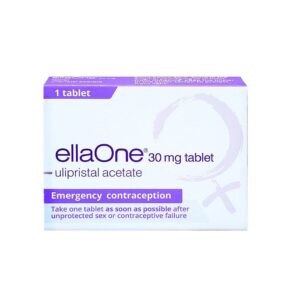
Ulipristal is usually the best EHC option, as it can be taken up to 120 hours after unprotected sexual intercourse, and needs no dose adjustment for women who are overweight or obese.
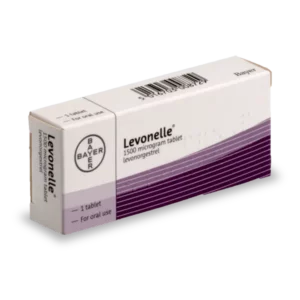
Levonorgestrel can be used by women who want to start a hormonal contraceptive immediately after EHC, or who are on enzyme-inducing medicines.
It’s important to speak with a pharmacist about your options before making a decision. They can help to ensure that you get the most suitable option for your needs.
Emergency contraception does not provide any protection from sexually transmitted infections (STIs). Therefore, it is really important to take steps to avoid these and seek medical advice if you are concerned about any symptoms of infection.
By seeking early medical advice and being treated, you can reduce the risks of further issues. The only method that reduces the risk of STIs is condoms. They provide a barrier to skin-to-skin contact and fluid transfer.
The risks of STIs remain the same for long-term contraceptive methods, including the pill, injection, IUS and others.
Condoms are the only method that can reduce the risk of STIs, but they do not provide 100% protection.
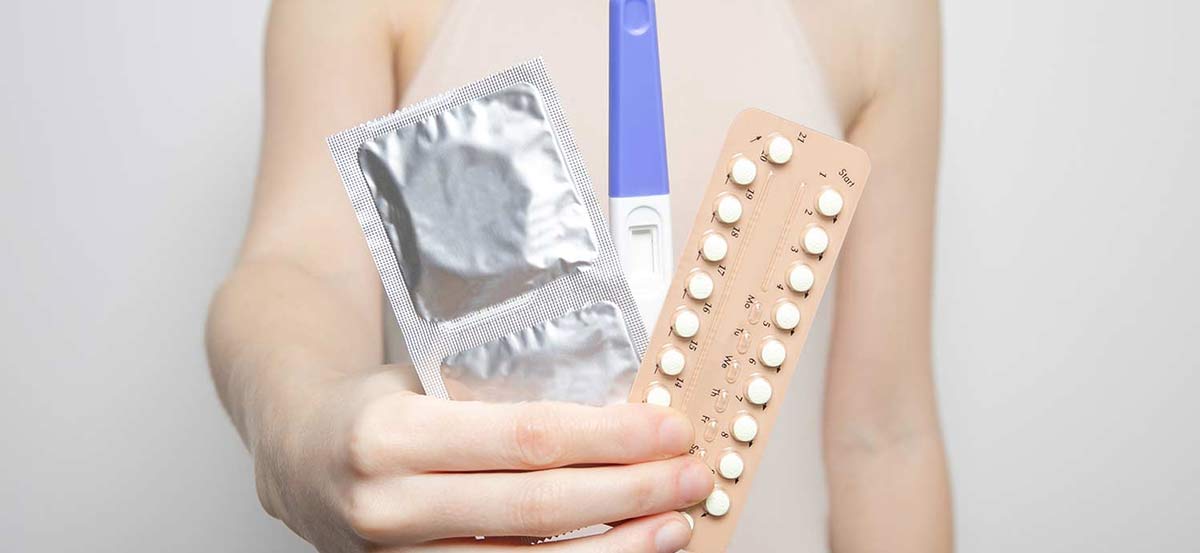
Selecting the right contraceptive for you is a personal and important decision. What works for one person may not be suitable for another. The good news is that there are many safe and effective methods of contraception available in the UK.
Here is a quick overview of the most common methods, so that you can begin thinking about your options. When you are ready, you can speak to a professional about beginning one of the methods.
Combined pill
The combined pill contains two hormones – oestrogen and progestogen. It works by preventing ovulation (the release of an egg) and thickening cervical mucus to stop sperm from reaching an egg.
Mini pill
The mini pill contains only progestogen. It mainly works by thickening cervical mucus and, in some cases, stopping ovulation.
Contraceptive patch
The patch releases oestrogen and progestogen through the skin.
Vaginal ring
The vaginal ring is a small, flexible ring placed inside the vagina. It releases oestrogen and progestogen.
Contraceptive injection
An injection of progestogen that prevents ovulation.
Contraceptive implant
A small rod inserted under the skin of your upper arm that releases progestogen.
Coil (IUD or IUS)
A small T-shaped device is placed in the uterus.
Copper IUD: Hormone-free and can last 5–10 years.
Hormonal IUS: Releases progestogen and lasts 3–8 years (depending on type).
Condoms
Condoms are barrier methods that stop sperm from reaching an egg.
If you need further guidance on emergency contraception, then it’s important to act quickly. The sooner you get advice and treatment, the higher the effectiveness. Book a consultation today with our registered pharmacist.
Online appointments are available 7 days a week from 9 am to 10 pm.
Contraception
Contraception is a personal choice, and it’s important to select one that works for you. There are some advantages and disadvantages to consider for each method.
Speaking with a healthcare professional will help you better understand each method. They will ask questions about your health, medical history, lifestyle, and preferences before helping you make a decision.
Most contraceptive methods do not protect against sexually transmitted infections (STIs). Condoms can reduce the risk of STIs but are not 100% protective.
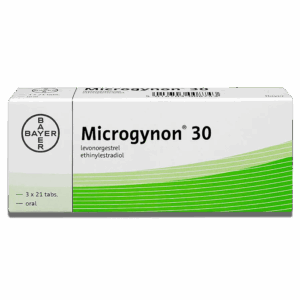
The combined pill contains two hormones: ethinylestradiol (oestrogen) and a progestogen. It mainly works by preventing ovulation, thickening cervical mucus, and thinning the womb lining.
Effectiveness
-
Over 99% effective with perfect use
-
Around 91% effective with typical use
How to take it
Usually taken daily for 21 days followed by a 7-day break (or continuously, depending on the formulation and clinical advice).
Potential benefits
-
More regular, lighter and less painful periods
-
May improve acne
-
Can reduce symptoms of PMS
-
Reduces the risk of ovarian and endometrial cancer
Risks and side effects
Common side effects may include:
-
Nausea
-
Breast tenderness
-
Headaches
-
Breakthrough bleeding
Less common but serious risks include:
-
Blood clots (venous thromboembolism)
-
Stroke
-
Heart attack
The risk of blood clots is small but higher than that of non-users. Risk is higher in smokers over 35, those with obesity, migraine with aura, certain cardiovascular conditions, or a history of clotting disorders.
Not suitable for:
-
Smokers aged 35 or over
-
People with migraine with aura
-
Those with certain heart, liver or clotting conditions
-
Uncontrolled high blood pressure
A full medical assessment is required before prescribing.
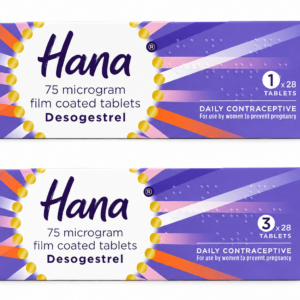
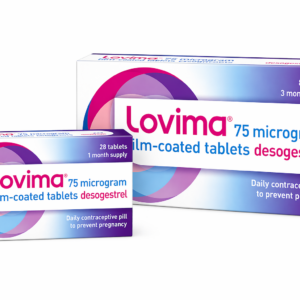
The mini pill contains a progestogen only (such as desogestrel). It mainly thickens cervical mucus and, in some types, suppresses ovulation.
Effectiveness
-
Over 99% effective with perfect use
-
Around 91% effective with typical use
How to take it
Taken daily at the same time every day, without a break. Timing is important. Some types have a 3-hour window, others (e.g. desogestrel) have a 12-hour window.
Potential benefits
-
Suitable for those who cannot take oestrogen
-
Can be used while breastfeeding
-
May reduce period pain
Risks and side effects
-
Irregular bleeding or spotting
-
Periods may stop altogether
-
Acne or breast tenderness
-
Mood changes
It does not carry the same increased clot risk as combined pills.
The patch releases oestrogen and progestogen through the skin into the bloodstream.
Effectiveness
Similar to the combined pill when used correctly.
How to use
One patch is worn for 7 days and changed weekly for 3 weeks, followed by a patch-free week.
Risks and considerations
Carries similar risks to the combined pill, including a small increased risk of blood clots. May cause:
-
Skin irritation
-
Breast tenderness
-
Headaches
This method is not suitable for individuals with contraindications to oestrogen.
A small flexible ring placed inside the vagina that releases oestrogen and progestogen.
Effectiveness
Comparable to the combined pill when used correctly.
How to use
Inserted for 3 weeks, removed for 1 week.
Risks
Same hormonal risks as other combined methods, including a small increased risk of clotting. Some users report:
-
Vaginal irritation
-
Discharge
-
Headaches
An injection containing progestogen (e.g. medroxyprogesterone acetate).
Effectiveness
Over 99% effective when used correctly.
Duration
Given every 8–13 weeks, depending on the product.
Benefits
-
Long-acting
-
No daily action required
-
May stop periods
Risks and considerations
-
Irregular bleeding
-
Weight gain
-
Mood changes
-
Possible reduction in bone mineral density with long-term use
-
Delay in return to fertility (can take several months)
A small flexible rod inserted under the skin of the upper arm that releases progestogen.
Effectiveness
Over 99% effective.
Duration
Effective for up to 3 years.
Side effects
-
Irregular bleeding patterns
-
Headaches
-
Acne
-
Breast tenderness
Fitted and removed by a trained clinician.
A small T-shaped device which is placed in the uterus.
Over 99% effective.
Copper IUD (Hormone-free)
-
Effective for 5–10 years
-
May make periods heavier or more painful
-
Can be used as emergency contraception
Hormonal IUS
-
Releases progestogen
-
Lasts 3–8 years (depending on brand)
-
Often reduces or stops periods
Risks
-
Discomfort during fitting
-
Small risk of perforation (very rare)
-
Small risk of infection shortly after fitting
A barrier method that prevents sperm from reaching an egg.
Effectiveness
-
Around 98% with perfect use
-
Around 82% with typical use
Benefits
-
Offers some protection against STIs
-
Hormone-free
-
Available without prescription
Used after unprotected sex or contraceptive failure.
Options
-
Levonorgestrel pill (within 72 hours)
-
Ulipristal acetate (within 120 hours)
-
Copper IUD (within 5 days)
Emergency pills may be less effective in individuals with higher body weight/BMI.
Ulipristal acetate should not be used if hormonal contraception has been taken within the previous 7 days, and hormonal contraception should be delayed for 5 days after taking ulipristal.
-
All prescription contraceptives require a clinical suitability assessment.
-
Patients are reminded to read the Patient Information Leaflet supplied with their medicine.
-
Patients should seek urgent medical attention if they suspect a blood clot (e.g. unexplained leg pain/swelling, chest pain, shortness of breath).
-
Contraception does not protect against STIs.
-
Seek medical advice if you think you may be pregnant.
Which method of contraception is the most effective?
The most effective methods are the implant and intrauterine devices (IUD/IUS), which are over 99% effective. The injection is also highly effective when given on time. That being said, it’s important to follow all professional guidance when using these methods to promote effectiveness.
What happens if I miss a pill?
Missed pill advice depends on the type of pill and how many pills have been missed. Always check the Patient Information Leaflet. In general, if one combined pill is missed, take it as soon as remembered. If two or more are missed, additional precautions may be required.
If you are on the progestogen-only pill (mini-pill) and are more than 3 hours late (or 12 hours for desogestrel), take it as soon as remembered and use condoms for 2 days.
Additionally, if you take a pill and then vomit or have diarrhoea, you may need to treat this as a ‘missed pill’. Always read the guidance in your leaflet and ensure you take any necessary precautions outlined if you do not wish to become pregnant.
What should I do if I take contraception but need another medication for something else?
If you take contraception, but you need medication for another issue, make sure to inform the healthcare professional who is prescribing the medication. They will check for any interactions to ensure that your contraception continues working as it should.
Can I use contraception while breastfeeding?
Yes, but only some options are considered safe to use during this time. Progestogen-only methods (mini-pill, injection, implant) are safe. Combined methods (pill, patch, ring) should usually be avoided in the first 6 weeks.
Speak to a medical professional if you aren’t sure what steps to take, and they can assist you.
When should I stop using contraception?
There is no exact rule on when a person should stop taking contraception. In most cases, people are advised to continue taking contraception until age 55 or for one year after their period stops when over 50. Seek personalised advice.
If you have any other questions regarding contraception use or you’d like to discuss your options, please don’t hesitate to book a consultation with us. We provide expert advice through consultations 7 days a week from 9 am until 10 pm.
Period Delay
Safe and practical information for people considering hormonal period delay.
Experiencing your period while you’re on holiday, at a special event or during sport can sometimes feel inconvenient. Some hormonal contraceptives can be used to delay a period, but this should always be done safely and with a clear understanding of how the medicines work, possible side effects and your eligibility.
Before taking any steps to promote a period delay, you should speak to a professional about whether it is right for you and how to continue reducing the risk of pregnancy safely.
We’ll explain some commonly used options for delaying a period in the UK, how to use them, and the key safety considerations.
A clinical assessment is required before the supply of prescription hormonal medicines.

Yes, certain hormonal contraceptives can be used to delay menstruation in some people. This is most common with combined hormonal methods. However:
- You must be medically assessed for suitability before starting or altering contraceptive use.
- Not all contraceptives allow safe or appropriate period delay.
- Some approaches involve using medicines “off-label” (not in the official product leaflet), and these require careful clinical supervision.
- Not suitable for everyone (e.g., smokers aged 35+, people with certain health conditions).
Period delays can be used by people alongside clinical support. They are commonly used by the following people.
- Someone who is not currently using any contraception
- Someone who wants to delay for up to 17 days
- Someone who needs a temporary delay, e.g., for a holiday, event or exam
Someone who is not currently using contraception could use Norethisterone. This is:
- Taken 3 days before the period is due
- Taken 3 times daily
- Can delay bleeding for up to 17 days
- Bleeding usually occurs 2–3 days after stopping
Yes, most people can seek advice from a registered pharmacist about delaying their period. If you are medically fit, with no complex medical history, and are over 16, you can access pharmacy support.
It’s best to seek professional support at least seven days before your period is due to begin, giving you enough time to seek advice and make a decision.
Complete a healthcare assessment
Before attempting to delay your period, a qualified clinician needs to assess:
- Your medical history
- Blood pressure (depending on contraception)
- Smoking status and age
- Current medicines and health conditions
This is required for safe prescribing and is part of standard UK pharmacy practice.
Understand the risks involved
Methods involving oestrogen carry a small increased risk of blood clots. This risk is higher if you:
- Smoke and are 35 or over
- Have a history of clotting disorders
- Have certain cardiovascular or metabolic conditions
- You should not use combined hormonal methods if they are contraindicated for you.
Understand the bleeding pattern
Continuing hormones to delay a period can cause:
- Spotting
- Breakthrough bleeding
- Light bleeding
These effects can occur even when the method is used correctly.
Dealing with emergencies
Seek immediate medical help or contact your GP/pharmacy urgently if you experience:
- Severe headache with speech or vision changes
- Chest pain or shortness of breath
- Leg swelling or severe, unexplained pain
- Severe abdominal pain
These can be signs of serious side effects, such as blood clots.
- Plan ahead: Start discussing a period delay at least 1 – 2 months before travel.
- Check supplies: Ensure you have enough contraception to cover your trip and any extended use.
- Read the leaflet: Always read the Patient Information Leaflet with your medicine.
- Keep reminders: Use alarms or apps if you’re extending pill use.
- Carry information: Keep a note of your contraceptive details with you when travelling.
It’s important to seek clinical guidance before making the decision to delay your period. Our registered pharmacists can provide trusted advice on the best steps for you to take. Book a consultation today.
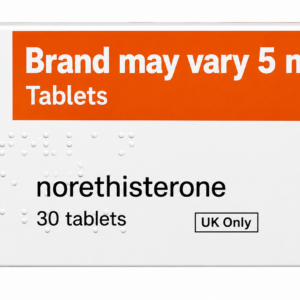
Period Pain
Period pain, also known as dysmenorrhoea, can be challenging to deal with and affect women’s lives heavily.
Dysmenorrhoea is a very common female health complaint. Studies suggest dysmenorrhoea affects between 16–91% of menstruating women.
Despite this prevalence and the fact that it can have a considerable impact on everyday life, surprisingly few women seek medical advice, preferring self-management instead.
Unlike primary dysmenorrhoea, secondary dysmenorrhoea affects older women and is generally caused by a gynaecological condition such as endometriosis, fibroids or polyps, so it warrants further investigation.

Period pain usually feels like cramping in the lower abdomen. It may also be felt in the lower back or thighs, ranging from mild discomfort to severe pain that interferes with daily activities.
While period pain can often be self-managed with pain relief, it’s important to speak to a medical professional if the pain is too severe.
There are two types of dysmenorrhoea:
Primary Dysmenorrhoea
-
Common in teenagers and younger women
-
Not caused by an underlying medical condition
-
Linked to natural chemicals called prostaglandins, which cause the womb to contract
-
Pain often improves with age or after childbirth
Secondary Dysmenorrhoea
-
More common in women in their mid-20s and older, particularly if symptoms are new or changing
-
Caused by an underlying condition
-
Pain may start earlier in the cycle and last longer than a typical period
Possible causes include:
-
Endometriosis
-
Fibroids
-
Adenomyosis
-
Pelvic inflammatory disease
-
Intrauterine device (IUD) complications
If secondary dysmenorrhoea is suspected, further medical assessment is recommended.
In addition to cramping, symptoms may include:
-
Lower back pain
-
Headache
-
Nausea
-
Diarrhoea
-
Fatigue
-
Dizziness
Severe pain is not something you should feel you have to “just put up with,” particularly if it is worsening or affecting your quality of life.
Many people manage mild to moderate period pain at home using a range of self-care measures, often including the following.
-
Applying a heat pad or hot water bottle to the lower abdomen
-
Gentle exercise or stretching
-
Warm baths
-
Relaxation techniques
-
Adequate rest
These approaches may help relieve muscle tension and reduce discomfort.
If self-care is not enough, pain relief medicines may help. Always read the Patient Information Leaflet and follow dosing instructions carefully.
Non-Steroidal Anti-Inflammatory Drugs (NSAIDs)
Examples of NSAIDs include ibuprofen and naproxen; these work by reducing prostaglandin production, helping to ease both pain and inflammation. Higher doses may be available through a prescription.
Important safety information:
-
Not suitable for people with certain stomach, kidney or heart conditions
-
Should be avoided if you have a history of stomach ulcers unless advised by a healthcare professional
-
Can interact with other medicines
Paracetamol
Paracetamol may be suitable for mild pain or for people who cannot take NSAIDs.
-
It does not reduce inflammation
-
An overdose can cause serious liver damage
-
Do not exceed the stated dose
Hormonal contraception
Some hormonal contraceptives can reduce period pain by thinning the womb lining and reducing prostaglandin production.
These require a clinical suitability assessment by a GP or appropriately trained pharmacist.
They may not be appropriate for everyone, particularly those with contraindications to oestrogen-containing products.
You should speak to a healthcare professional if:
-
Pain is severe or worsening
-
Pain begins later in life
-
Periods are unusually heavy or irregular
-
Pain occurs outside of your period
-
You experience pain during sex
-
Over-the-counter medicines are not effective
-
Sudden, severe abdominal pain should be assessed urgently
If period pain significantly affects your work, education, relationships or mental wellbeing, it is important not to ignore it.
Conditions such as endometriosis can take time to diagnose. Early assessment can help ensure appropriate investigation and management.
Is severe period pain normal?
Mild discomfort is common, but severe pain that disrupts normal activities should be assessed. You should not have to live with severe pain as a result of your period.
Will period pain improve with age?
In some cases, period pain can improve over time; for example, those living with primary dysmenorrhoea often report an improvement over time, but this is not always the case.
Can lifestyle changes help?
Regular exercise, maintaining a healthy weight and stress management may reduce symptoms for some people.
Important Information regarding period pain management
- Always read the Patient Information Leaflet before taking any medicine.
- Do not exceed recommended doses.
- Some pain relief medicines may not be suitable if you are pregnant, trying to conceive, breastfeeding or have certain medical conditions.
- If you are unsure which treatment is appropriate, seek advice from a qualified healthcare professional.
If you need further advice on dealing with period pain, why not book a consultation with our GPhC-registered pharmacist? Consultations are available 7 days a week from 9 am until 10 pm. Book now.
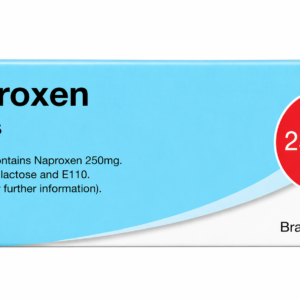
Excessive Facial Hair
Excess facial hair is a common concern for many women, and it can affect confidence, comfort and daily routines. Whether it appears on the upper lip, chin or jawline, managing unwanted hair often means constant plucking, waxing or shaving — and that can feel frustrating when the problem keeps returning.
There are clinically supported treatment options designed to help slow the growth of new facial hair and make it easier to manage over time. These can be used alongside your usual hair‑removal methods, offering a more long‑term approach that fits naturally into your daily routine. Many women find that combining medical treatment with their preferred grooming habits helps the skin feel smoother for longer and reduces the need for frequent upkeep.
If excessive facial hair is affecting how you feel, exploring medical treatment can provide a discreet, science‑backed way to regain confidence and control.

You’re a woman and:
- new thick, dark hair suddenly starts growing on your face and body
- your voice is getting lower
- your muscles are getting bigger
If you have hirsutism, you can try:
- losing weight if you’re overweight – this can help control hormone levels
- things you can do at home to remove or lighten the hair – such as shaving, waxing, plucking, hair removal creams or bleaching
- a prescription cream to slow hair growth on your face (eflornithine cream)
- taking a contraceptive pill if you’ve not been through the menopause yet – this can help control hormone levels
If these things do not help, or if your GP thinks you need further or more urgent tests and treatment, they may refer you to a specialist.
There are treatments that can get rid of unwanted hair for longer than the things you can do at home. But they’re not usually permanent.
They’re also not usually available on the NHS and can be expensive.
The 2 main treatments are:
- electrolysis – where an electric current is used to stop your hair growing
- laser hair removal
Make sure you research these treatments before trying them. They both have risks and the results are not the same for everyone.
Hirsutism is extra hair growth in women. It’s often noticeable around the mouth and chin.
Hirsutism is stiff or dark hair that appears on the body where women don’t commonly have hair. That can include areas such as the:
- Face.
- Chest.
- Lower stomach.
- Inner thighs.
- Back.
When high androgen levels cause hirsutism, other symptoms might develop over time. This is a process called virilization. Symptoms of virilization might include:
- The voice deepens.
- The scalp loses hair.
- Acne appears.
- Breast size becomes smaller.
- Muscle mass increases.
- The clitoris becomes larger.
Hirsutism can be caused by:
- Polycystic ovary syndrome (PCOS). This condition causes a shift in the balance of sex hormones. It often starts during puberty. Over years, PCOS may slowly lead to extra hair growth, irregular periods, obesity, infertility and sometimes multiple small cysts on the ovaries.
- Cushing syndrome. This happens when the body makes high levels of the hormone cortisol. It can develop because the adrenal glands make too much cortisol. Or it can come from taking medicines such as prednisone over a long time.
- Congenital adrenal hyperplasia. This is a condition that’s present at birth. It’s passed from parents to children through genes. The condition causes the adrenal glands to make irregular amounts of steroid hormones. For example, the glands might make too little cortisol and too much androgen.
- Tumors. Rarely, a tumor in the ovaries or adrenal glands can cause hirsutism. It does this by releasing androgen.
-
Medicines. Some medicines can cause hirsutism. These include minoxidil (Minoxidil, Rogaine); danazol, which is used to treat endometriosis; testosterone (Androgel, Testim); and dehydroepiandrosterone (DHEA). If your partner uses products that have androgens that go on the skin, the androgens may affect you through skin-to-skin contact.
Hirsutism may happen with no clear cause.
Some factors can raise the risk of hirsutism, including:
- Family history. Some conditions that cause hirsutism run in families. They include congenital adrenal hyperplasia and polycystic ovary syndrome.
- Ancestry. Women of Mediterranean, Middle Eastern and South Asian descent are more likely to have extra body hair with no clear cause than are other women.
- Obesity. Being obese causes the body to make more androgens. That can make hirsutism worse.
Hirsutism can be distressing. You might feel self-conscious about having unwanted hair. Some people become depressed. Hirsutism itself doesn’t cause physical health problems. But if a medical condition is causing a hormonal imbalance, that may lead to other health concerns.
If you have hirsutism and irregular periods, you might have polycystic ovary syndrome. That can cause infertility. And people who take certain medicines to treat hirsutism should not try to become pregnant because of the risk of birth defects.
Hirsutism usually isn’t preventable. But losing weight if you’re overweight might help reduce hirsutism. That’s especially true if you have polycystic ovary syndrome.

Medical Weight Loss

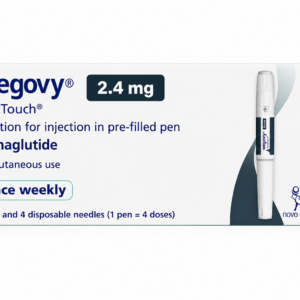
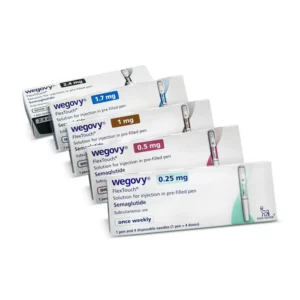
Choose a weight loss medication
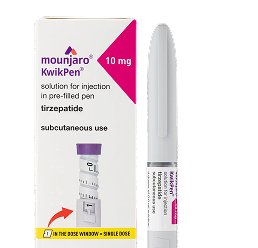
Not sure which medication is right for you? Don’t worry, just get in touch, we are here to help and advise.
Complete a quick online consultation
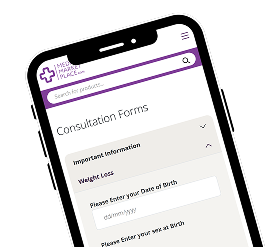
Our healthcare professionals will review and arrange a quick online consultation, if appropriate.
Discreet delivery within 48 hours
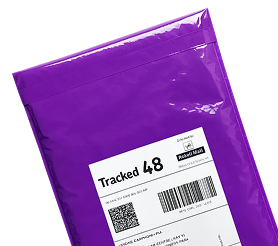
If successful, your medication will then be discreetly delivered to your chosen address via Royal Mail.

Trusted by thousands of happy customers
We strive to bring you a first class service, we’re only happy when our customers are happy.
Register your interest for Medical Cannabis
Prescribed by our licensed and regulated clinicians, medical cannabis offers a natural, clinically supported option for managing chronic pain, anxiety, sleep disorders and more – especially when conventional treatments fall short or cause unwanted side effects.
Our experienced clinicians combine advanced training with a deep understanding of your condition, offering thoughtful guidance and personalised support every step of the way.
Register now and we will let you know as soon as this becomes available.