Long-term medical weight loss
Pregnancy
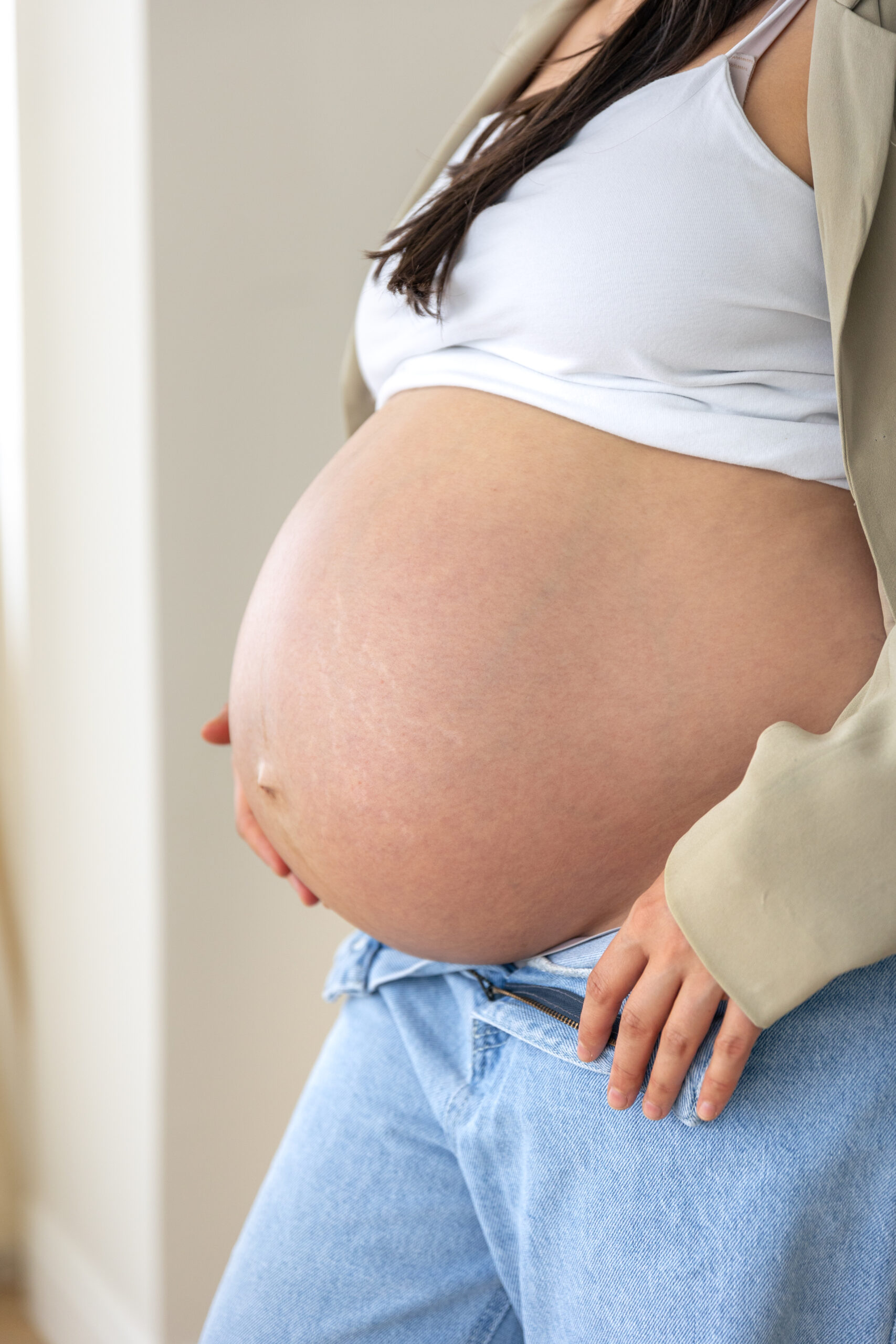
Mums-to-be seeking help and advice from the pharmacy.
Pregnancy can be akin to being on a physical and emotional rollercoaster, with women not only having to plan for the arrival of their newborn, but possibly coping with troublesome symptoms that can accompany the changes happening to their bodies. During pregnancy, a woman’s body goes through changes to accommodate the growing baby, with this she also gets some health-related problems during all three trimesters. Some of them are as follows:-
Morning Sickness: Nausea and vomiting are very common, particularly in early pregnancy. Around half of all pregnant women experience vomiting, and more than 80% of women experience nausea in the first 12 weeks. It usually improves or disappears by around week 14, but for some women it can last longer. Severe symptoms should always be taken seriously. Around 1 in 100 women are diagnosed with hyperemesis gravidarum (excessive nausea and vomiting), which can cause severe dehydration and need medical treatment.
Heartburn and Indigestion: Out of 8/10 women experience Heartburn & Indigestion (dyspepsia). It can be caused by hormonal changes, certain foods and in later pregnancy, by the growing womb pressing on the stomach. Women should avoid caffeine, spicy foods, citrus fruits, pickles and rich/oily foods and try not to eat dinner too late.
Bladder Weakness: Up to 69% of pregnant women and new mothers experience light bladder weakness. It occurs when weakened pelvic muscles, resulting from increased pressure on the tummy, can’t control the passing of urine.
Back Pain: When pregnant, the ligaments in the body become softer and stretch to prepare the body for the baby’s birth. This can put strain on the joints in the lower back and pelvis, which can cause back pain. Wearing flat shoes, exercising in water, avoiding lifting heavy objects and getting enough rest can help to protect the back.

Some remedies and products for pregnancy problems:
Pregnant women can always use some of the common remedies that will help them get relief from pregnancy problems. If you are having indigestion and heartburn issues, then some of the antacids and alginates can be useful, but you should speak to the pharmacist before starting any medications. If you’re still experiencing discomfort and pain, then the doctor may be able to prescribe medicines such as ranitidine. If you are going through a weak bladder case, then it will be beneficial to do pelvic floor exercises; some ladies do use sanitary products specially designed for bladder weakness. With one in 10 pregnant ladies suffering from Haemorrhoids/Piles, it can be treated with ice packs and with piles creams such as Anusol. It is also advised that women should wipe the area properly and avoid scrubbing it, as it will make the area sore.
Some self care tips:
- Eat a healthy, balanced diet.
- Keep active – this will help women adapt to their changing shape and weight gain, help them cope with labour and get back to a healthy weight after the birth.
- Stop smoking and drinking alcohol, if applicable.
- Take a 400-microgram folic acid supplement every day while trying to conceive and until week 12 of pregnancy, to help prevent neural tube defects, including spina bifida.
- Consider taking a 10-microgram vitamin D supplement every day.
- Help prevent pregnancy complications by having flu and whooping cough vaccinations.
Further Support and Information
All pregnant and breastfeeding women requesting or buying medication should consult our Pharmacist before buying anything. You should also refer to the pharmacist if your symptoms persist or worsen despite treatment or if you have any abdominal pain, any unexplained bleeding or severe nausea or vomiting.
For more support & information you can visit the following links:
- National Childbirth Trust: www.nct.org.uk/pregnancy / 0300 330 0700
- NHS Choices : www.nhs.uk/conditions/pregnanct-and-baby
- Pregnancy Sickness Support: www.pregnancysicknesssupport.org.uk / 024 7638 2020