Common side effects, which are often related to the dose, include abdominal pain or cramping and diarrhoea, and these may be more likely in people with irritable bowel syndrome – reducing the dose may help. With prolonged or excessive use, more serious effects can occur, including dehydration, which may cause thirst and reduced urine output, and electrolyte disturbances, particularly low potassium levels, leading to tiredness, dizziness, muscle weakness and, in some cases, heart rhythm problems. Long-term use may also result in dependence, sometimes referred to as a “lazy bowel”, where normal bowel function is reduced. Allergic reactions such as rash, hives, or worsening asthma have been reported. A change in urine colour to yellow or red-brown may occur and is usually harmless.
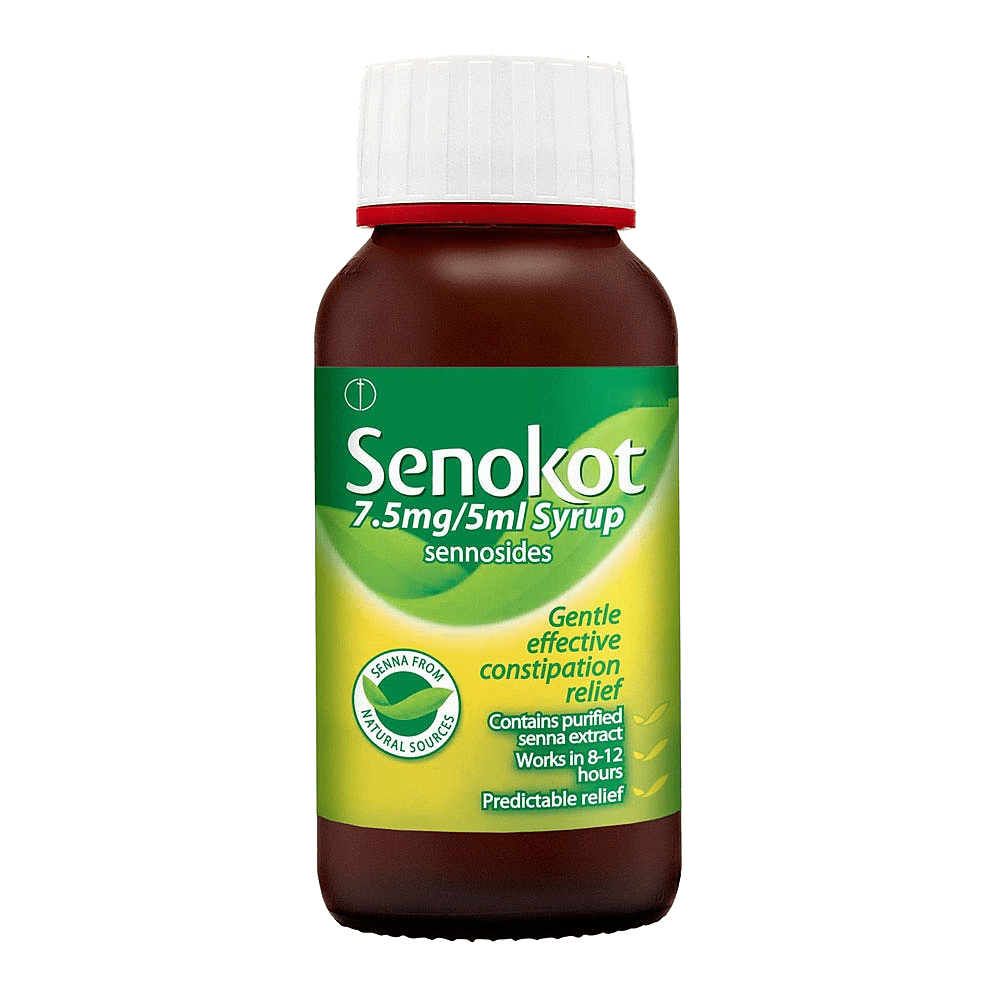
Senokot Syrup – 150ml
£7.54
Senokot Syrup works as a stimulant laxative for the short term relief of occasional constipation. Constipation is a fairly common and uncomfortable complaint. It usually involves difficult or irregular bowel movements, accompanied by hard, dry motions which can be painful to pass. Laxatives do not help with weight loss.
Categories: Age verification, Constipation, Constipation, Medicines, Online Shop, Shop by Condition, Stomach & Bowel
Tags: Laxative stimulant, p-med
You may be interested in these
What is Senokot Syrup used for?
Senokot Syrup is used for the short-term relief of occasional constipation and acts as a stimulant laxative. This promotes bowel movement when normal bowel function has been temporarily reduced.
How does Senokot Syrup work?
Senokot Syrup is broken down by bacteria in the large intestine into active substances that stimulate bowel movement and increase the amount of fluid in the bowel, which helps to soften stools and make them easier to pass. It usually works within 8 to 12 hours, so it is often taken at night to work by the next morning.
Directions – How to use
For adults, older people, and children aged 12 years and over, the usual dose is 5 to 10 ml taken at night (one to two 5 ml spoonfuls).
Treatment should begin with the lowest dose, increasing only if needed. Once bowel movements become regular, the dose should be reduced and then stopped. The maximum daily dose is 20 ml, and this medicine should not be used for longer than one week. If there is no bowel movement after three days, or if symptoms continue or get worse — particularly if there is abdominal pain or blood in the stools, medical advice should be sought. The dose should be measured carefully using a medicine spoon or oral syringe, and it is important to drink plenty of fluids, as stimulant laxatives can cause diarrhoea and dehydration.
Side Effects & Warnings
Warnings and Precautions
This medicine should not be used for weight loss, as overuse can be harmful and may lead to diarrhoea, dehydration, and electrolyte disturbances. Whenever possible, lifestyle and dietary measures, such as increasing fibre and fluid intake, or the use of bulk-forming laxatives, should be tried first, with senna reserved for situations where these measures are not effective. Extra caution is required in people with kidney problems, in older or frail patients, and in those who are at increased risk of dehydration or electrolyte imbalance.
Age Restrictions
This medicine should not be used in children under 12 years of age.
It must also be avoided in people with intestinal obstruction or narrowing, reduced bowel movement (bowel atony), appendicitis, inflammatory bowel disease such as Crohn’s disease or ulcerative colitis, unexplained abdominal pain, severe dehydration, faecal impaction, or rectal bleeding of unknown cause. In addition, it should not be taken at the same time as other laxatives unless this has been advised by a healthcare professional.
Other Medicines & Conditions
Senna can lower potassium levels in the body, which may increase the risk of side effects when taken with certain medicines, including cardiac glycosides such as digoxin, anti-arrhythmic medicines and drugs that prolong the QT interval, diuretics, systemic corticosteroids, and products containing liquorice root. If you are taking any of these medicines, or if you have heart or kidney disease, you should seek advice from a pharmacist or doctor before using this medicine.
Pregnancy and Breastfeeding
Information & Advice
Ingredients
Sennoside is equivalent to 7.5 mg per 5 ml.
Other Ingredients
Potassium sorbate (E202), Methyl parahydroxybenzoate (E218) and propyl parahydroxybenzoate (E216) (may cause allergic reactions, sometimes delayed), Maltitol liquid (E965) (sugar alcohol; relevant in sugar intolerance/diabetes), Xanthan gum, anti-foam emulsion, Prune flavour (includes caramel colour E150a, ethanol, prune juice concentrate, vanilla bean extract,, water), Citric acid, anhydrous), purified water.
Product Information
Brand name – Senokot Syrup.
Route of administration – Oral.
Legal classification – P Meds (sold under the supervision of the pharmacist.
Strength -7.5mg/5ml.
Dosage Form – Syrup.
Storage
Store below 25°C; do not freeze. Keep out of the sight and reach of children; do not use after expiry date.
Advice and Helpful Links
https://www.medicines.org.uk/emc/files/pil.11847.pdf