Wegovy® Pill
Price range: £90.00 through £158.00
Wegovy Pill
A new way to lose weight without injections .
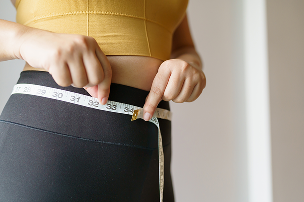
The Wegovy pill contains semaglutide, the same active ingredient used in Wegovy injections, but in a convenient once daily tablet. Wegovy is there to help you feel fuller for longer, reduce hunger and support weight loss alongside a healthy diet and regular exercise. This could be an ideal option for people who would prefer a tablet instead of a weekly injection. It is available for eligible adults with a BMI of 30 or above, or 27 or above with a weight-related health condition.
Clinical studies have shown results, with people taking oral semaglutide losing an average of 14% of their body weight (around 15kg/33lbs) over 64 weeks, while more than three-quarters lost at least 5% of their starting weight.
Please Note: You are also required to complete a form at checkout. In addition, a video consultation with our pharmacist may be required.
Payment does not guarantee approval or supply
All prescription medication (Online Clinic) requests are subject to an independent clinical assessment. The final decision, including the medication and dose prescribed, rests with the prescriber. If your request is declined and no medication is supplied, your payment will be refunded in full in accordance with our refund policy.
Categories: Online Clinic, Oral Weight Loss, Weight Management
Tags: Private Rx, Weight Management
What is the Wegovy Pill used for?
The Wegovy pill is used for weight loss and long-term weight management in adults. It should be used alongside a reduced-calorie diet and increased physical activity to help achieve and maintain a healthier weight.
The Wegovy pill contains semaglutide, the same active ingredient as Wegovy injections. It works by helping to reduce appetite, increase feelings of fullness, and reduce food cravings, making it easier to eat less and support sustainable weight loss over time. It is intended for adults with a BMI of 30 kg/m² or above, or 27 kg/m² or above with a weight-related health condition, such as high blood pressure, high cholesterol, obstructive sleep apnoea, or cardiovascular disease.
How the Wegovy Pill works
The Wegovy pill contains the active ingredient semaglutide, a glucagon-like peptide-1 (GLP-1) receptor agonist. GLP-1 is a naturally occurring hormone released after eating that helps regulate appetite and food intake.
By activating GLP-1 receptors in the brain, the Wegovy pill helps to:
- Reduce hunger and appetite
- Increase feelings of fullness after meals
- Reduce food cravings
- Slow stomach emptying, helping you feel full for longer
These effects can help you eat fewer calories and support clinically proven weight loss when the medication is taken as prescribed alongside healthy lifestyle changes.
| Strength | 1.5mg, 4mg, 9mg, 25mg |
|---|---|
| Quantity | 30 Tablets |
Always use this medicine exactly as your doctor or pharmacist has told you. Check with your doctor or pharmacist if you are not sure how to use this medicine.
The recommended dose for adults:
One tablet to be taken daily. Do not take more than this or against the way it has been prescribed.
- Take your Wegovy tablet on an empty stomach after a recommended fasting period of at least 8 hours. Swallow tablet whole with up to maximum of 120ml of water. Do not split, crush or chew the tablet.
- After taking your Wegovy tablet, wait at least 30 minutes before eating or drinking, or taking any other oral medication. Waiting less than this time can affect absorption of Wegovy.
- It is important to follow the directions carefully for optimal effect of the medication
If you take more Wegovy than you should
Talk to your doctor or prescriber as soon as possible, as you may experience nausea and other side effects.
If you forget to take Wegovy
if you forget to take your dose, skip the missed dose and take your dose the next day.
If you stop taking Wegovy
Do not stop using this medication without talking to your prescriber.
Maintenance Policy
Once you have reached your target weight, the focus shifts from weight loss to weight maintenance. A maintenance plan can help you maintain your results safely while supporting healthy eating habits and long-term lifestyle changes.
Follow the link below to learn more about our maintenance policy for Wegovy and Mounjaro and find out what to expect during this stage of your treatment:
https://www.medicinemarketplace.com/health-hub/maintenance-guidance-for-wegovy-and-mounjaro/
Switching Between GLP-1 Medications
If you Are considering switching between GLP-1 medications, such as Wegovy and Mounjaro, it is important that this is done safely. Your treatment plan and current dose will be reviewed to ensure a smooth transition while minimising the risk of side effects.
Follow the link below to learn more about switching between GLP-1 medications and what to expect during the process:
https://www.medicinemarketplace.com/health-hub/switching-between-glp-1-medications/
Like all medicines, this medicine can cause side effects, although not everybody gets them. Some of the side effects are temporary with continued treatment or disappeared when treatment is stopped.
Side Effects
Very Common
- headache
- nausea
- vomiting
- diarrhoea
- constipation
- abdominal pain
- weak or tired feeling
- upset stomach or indigestion
Common
- dizziness
- burping
- flatulence
- gastritis
- reflux or heartburn
- gallstones
- hair loss
- change in the way food or drink taste
- change in skin sensation
- low blood sugar in patients with diabetes
Warnings of low blood sugar may come on suddenly. This can include: cold sweat, cool pale skin, headache, fast heartbeat, nausea or very hungry, anxious or confused, difficulty concentrating or shaking.
Low blood sugars is also more likely to occur if you take a sulfonylurea or insulin, please consult with your provider and seek medical attention.
Serious Side Effects
If you experience any of the following serious side effects stop taking the medication and seek medical help immediately:
Common
- Complications of diabetic eye disease (diabetic retinopathy). If you have diabetes you should inform your doctor if you experience eye problems, such as changes in vision, during treatment with this medicine.
Uncommon
- Inflamed pancreas (acute pancreatitis) which could cause severe pain in the stomach and back which does not go away. This is a serious, potentially life-threatening condition. You should see a doctor immediately if you experience such symptoms.
Stop using this medicine and seek urgent medical help if you experience: Severe, persistent pain in the stomach area (abdomen), with or without nausea and vomiting. This could be a sign of acute pancreatitis, which is serious and potentially life-threatening.
- Kidney or bladder stones. Signs may include back or lower abdomen pain, difficulty in urination or change in colour of your urine.
Rare
- Severe allergic reactions (anaphylactic reactions, angioedema). You should seek immediate medical help and inform your doctor straight away if you get symptoms such as breathing problems, swelling of face, lips, tongue, and/or throat with difficulty swallowing, wheezing, fast heartbeat, pale and cold skin, feeling dizzy or weak
- Hip fractures
Very rare
Non-arteritic anterior ischaemic optic neuropathy (NAION), which may cause loss of vision to one of your eyes without any pain. You should urgently contact your doctor if you notice sudden or gradually worsening eyesight
Frequency not known
Bowel obstruction with symptoms such as stomach ache, bloating, vomiting
If you get any side effects, talk to your doctor or pharmacist. This includes any possible side effects not listed in this leaflet. You can also report side effects directly via the Yellow Card Scheme at www.mhra.gov.uk/yellowcard or search for MHRA Yellow Card in the Google Play or Apple App Store. By reporting side effects you can help provide more information on the safety of this medicine.
Warning & Precautions
Dehydration
During treatment with wegovy, you may feel sick (nausea) or be sick (vomiting), or have diarrhoea. These side effects can cause dehydration (loss of fluids). It is important that you drink enough fluids to prevent dehydration. This is especially important if you have kidney problems. Talk to your doctor if you have any questions or concerns.
Inflammation of the pancreas
If you have ever had pancreatitis (inflammation of the pancreas) which may cause severe pain in the stomach and back which does not go away.
Diabetes
Wegovy must not be used as a substitute for insulin.
Low blood sugar (hypoglycaemia)
Wegovy can cause low blood sugar. If you have diabetes and are taking a sulfonylurea or an insulin with wegovy® the risk of getting low blood sugar levels (hypoglycaemia) might increase. Your doctor may ask you to test your blood sugar levels. This will help your doctor decide if the dose of the sulfonylurea or insulin needs to be changed to reduce the risk of low blood sugar. •
Diabetic eye disease (retinopathy)
Fast improvements in blood sugar control may lead to a temporary worsening of diabetic eye disease. If you have diabetic eye disease and experience eye problems while taking this medicine, talk to your doctor.
Sudden changes to your eyesight
If you notice a sudden loss of vision or rapidly worsening eyesight during treatment with this medicine, urgently contact your doctor. This may be caused by a very rare side effect called non-arteritic anterior ischaemic optic neuropathy (NAION). Your doctor will refer you for an eye examination by an ophthalmologist and you may have to stop treatment with this medicine.
Patients with delayed stomach emptying (gastroparesis)
If you have slow (delayed) stomach emptying (called gastroparesis), use of wegovy may lead to serious or severe gastrointestinal adverse events. Talk to your doctor before using wegovy.
Age Restrictions
Wegovy is supplied to eligible patients aged 18 to 75 years, where treatment is considered clinically appropriate.
Other Medicines and Conditions
Tell your doctor, pharmacist or nurse if you are taking, have recently taken or might take any other medicines. In particular, tell your doctor, pharmacist or nurse if you are using medicines containing the following:
- Levothyroxine which is used for thyroid disease. This is because your doctor may need to check your thyroid levels if you are taking wegovy together with levothyroxine.
- Warfarin or similar medicines taken by mouth to reduce blood clotting (oral anti-coagulants). You may need frequent blood tests to check how quickly your blood clots.
Pregnancy and Breastfeeding
This medicine is not suitable for use in pregnancy and breastfeeding.
This medicine should not be used during pregnancy, as it is not known if it may affect your unborn child.
Wegovy should not be used during pregnancy or in women of child bearing potential not using contraception. If you wish to become pregnant, you must stop using Wegovy at least 3 month before a planned pregnancy due to the long half -life of Wegovy.
It is recommended to use contraception while using this medicine. If you take oral contraceptives, should consider also using a barrier method of contraception (e.g., a condom) or switching to a non-oral contraceptive method.
If you become pregnant when using Wegovy, you should contact your GP and treatment provider.
Patient Information Leaflet
Ingredients
- Active Ingredients: Semaglutide
- Other Ingredients: Salcaprozate sodium and magnesium stearate
Product Information
- Brand Name: Wegovy pill
- Route of Administration: Oral
- Legal Classification: Prescription Only Medication (POM)
- Strength: 1.5mg, 4mg, 9mg & 25mg
- Dosage Form: Tablet
Storage
- Keep this medicine out of the sight and reach of children.
- Do not use this medicine after the expiry date which is stated on the carton and blister foil after EXP. The expiry date refers to the last day of that month.
- Store in the original package in order to protect from light and moisture. This medication does not require any special temperature storage conditon.
- Do not throw away any medicines via wastewater or household waste. Ask your pharmacist how to throw away medicines you no longer use. These measures will help to protect the environment.
Advice & Helpful Links
It is vital that Wegovy is used as part of an integrated approach to weight management, with the appropriate support, counselling and behavioural strategies available to you. Wegovy should be used alongside a balanced diet and healthy lifestyle to support weight loss and overall wellbeing.
Protein intake: Including enough protein (100g of protein) in your diet may help maintain muscle mass and increase feelings of fullness. Protein-rich foods include lean meats, fish, eggs, dairy, legumes, and plant-based alternatives.
Total Daily Energy Expenditure (TDEE): Weight loss occurs when calorie intake is lower than energy expenditure. Understanding your estimated daily calorie needs (TDEE) may help with planning meals and managing portion sizes. Reducing calorie intake should be done in a safe and sustainable way.
Please adhere to the dietary recommendations that are given. This includes a nutritionally balanced, mildly hypocaloric diet of 500-600 calorie deficit, in addition to a diet that is rich in fruits, vegetables and protein.
Water intake: Staying well hydrated is important, 2-3L a day, particularly while using appetite-reducing medicines. Drinking water regularly throughout the day may help support digestion and reduce the risk of dehydration, especially if you experience reduced appetite or gastrointestinal side effects.
Exercise: Gradually add more activity to your routine. Even small increases in resistance training or cardio can make a difference.
Regular physical activity, adequate sleep, and consistent eating patterns can support weight management. Making gradual, sustainable changes can help aid with long term maintenance.